
 Search
Energy markets have once again been jolted by geopolitical shock.
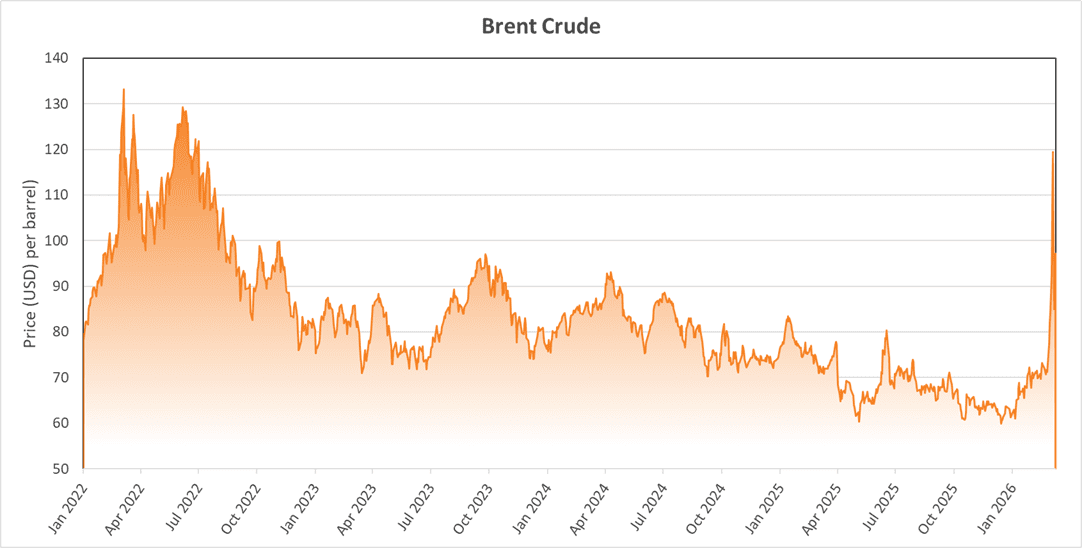
The rapidly evolving conflict involving Iran has translated quickly into volatility across global energy markets. Just last week, Brent crude surged to near USD$120 per barrel, its highest level since the 2022 Russia-Ukraine conflict, before easing slightly on signs of possible de-escalation. Even so, prices have risen by around 21% over the past month.
At the centre of market concern lies the Strait of Hormuz, one of the world’s most critical energy chokepoints. Roughly 20% of global oil supply passes through this narrow corridor. Recent attacks, heightened insurance costs and security risks have slowed tanker traffic, forcing markets to rapidly reprice geopolitical risk.
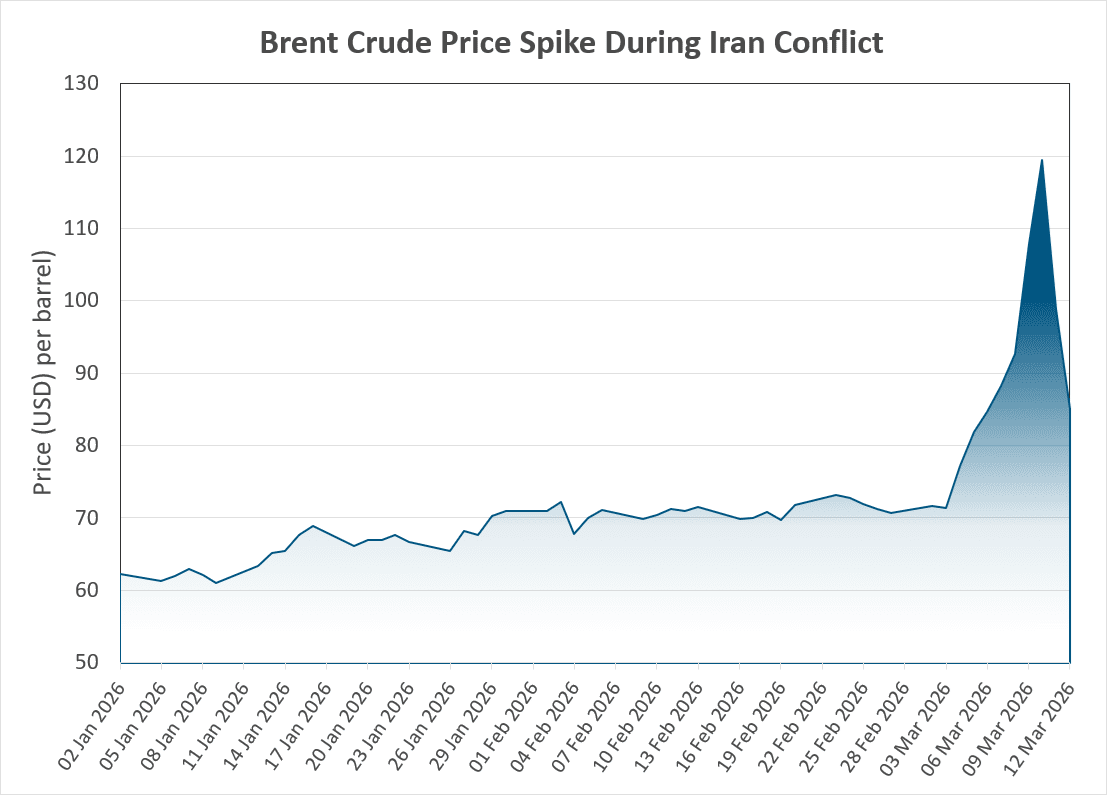
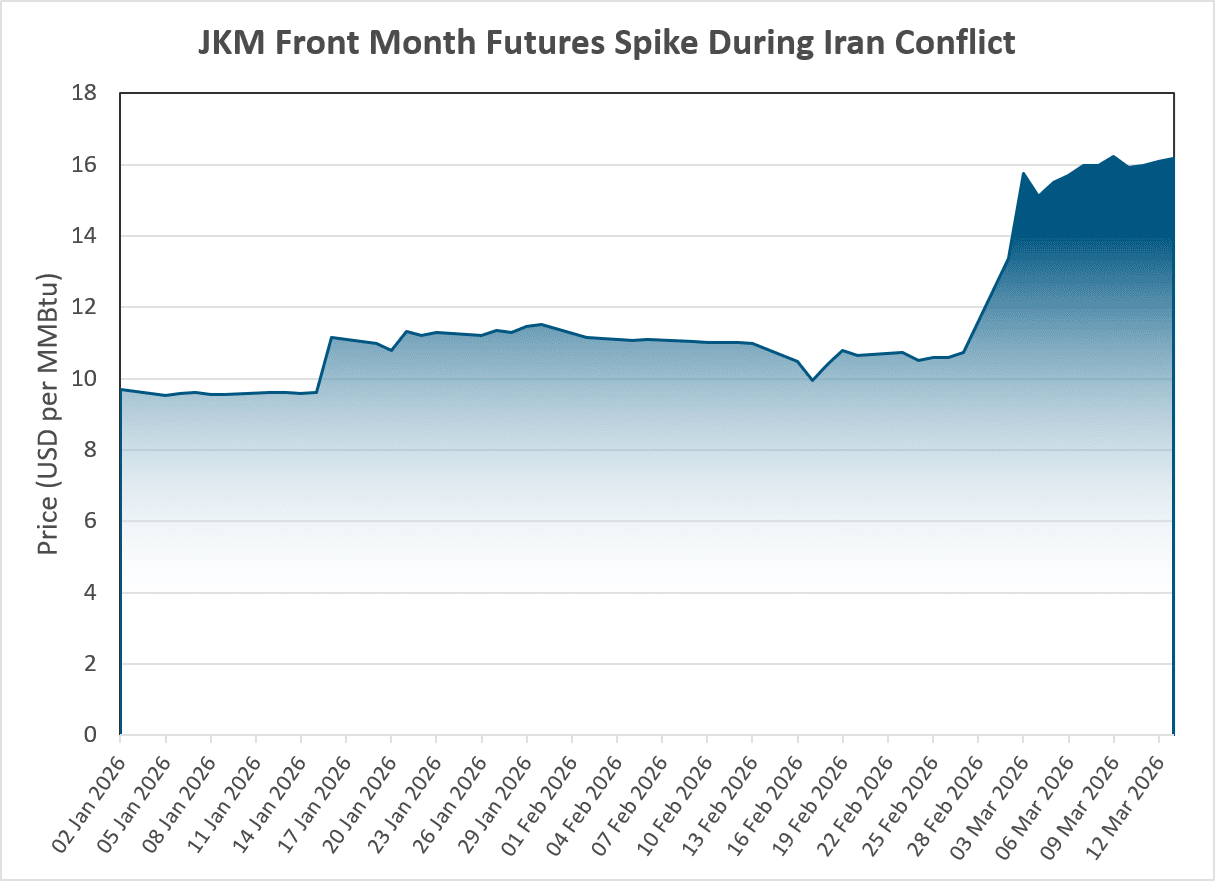
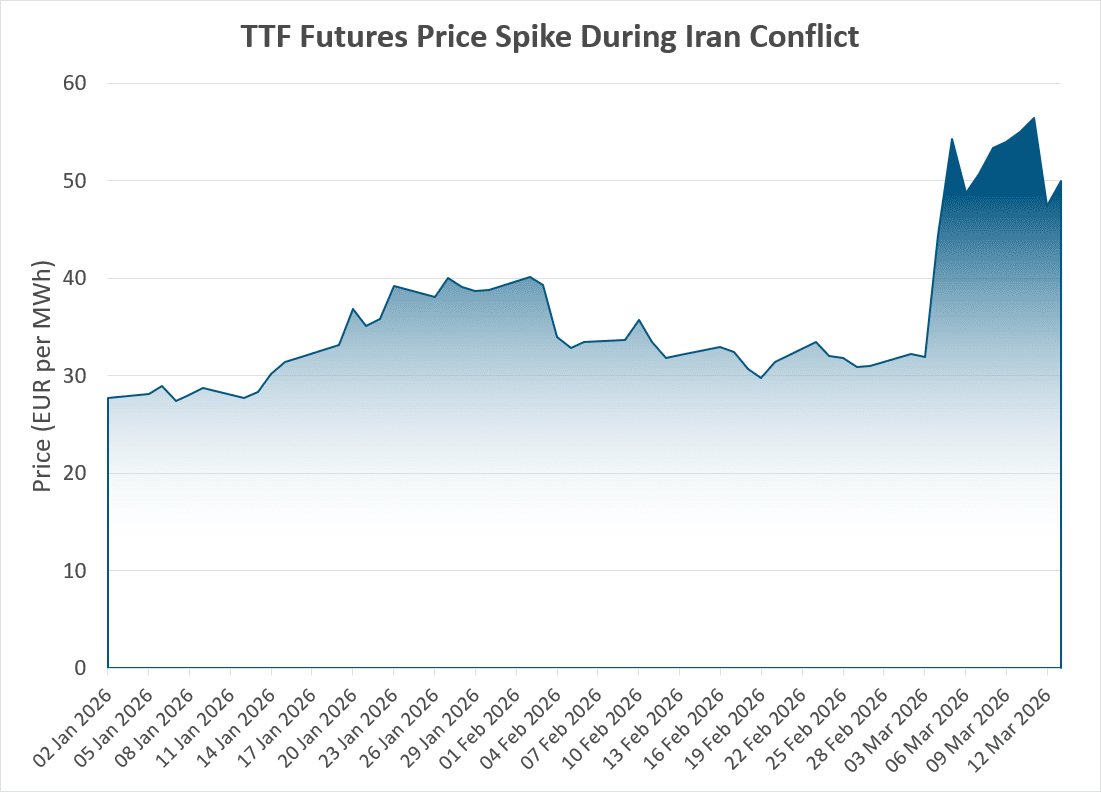
That repricing has been immediate. Earlier in March, Analysts at Goldman Sachs estimate that current oil prices include a geopolitical risk premium of approximately USD$14 per barrel relative to pre-conflict expectations.
However, this is not simply a story about oil prices. Higher energy prices propagate through the global economy – influencing inflation expectations, power markets, transport costs, industrial inputs and, ultimately, food prices.
The more important question is not how high prices might rise, but how market participants manage the volatility that inevitably follows such shocks.
Volatility Is a Feature, Not an Anomaly
While recent price movements may feel extreme, they are not unusual in historical context.
Energy markets have always been highly sensitive to geopolitical disruption. During the 2008 commodity supercycle, oil surged to USD$147 per barrel. In 2020, prices briefly fell below zero as the COVID-19 pandemic collapsed demand, before rebounding sharply. In 2022, prices again exceeded USD$120 following Russia’s invasion of Ukraine.
The current Iran-related disruption, which has pushed prices back above USD$100 per barrel, fits within this broader pattern. What differs is not the existence of volatility, but its trigger.
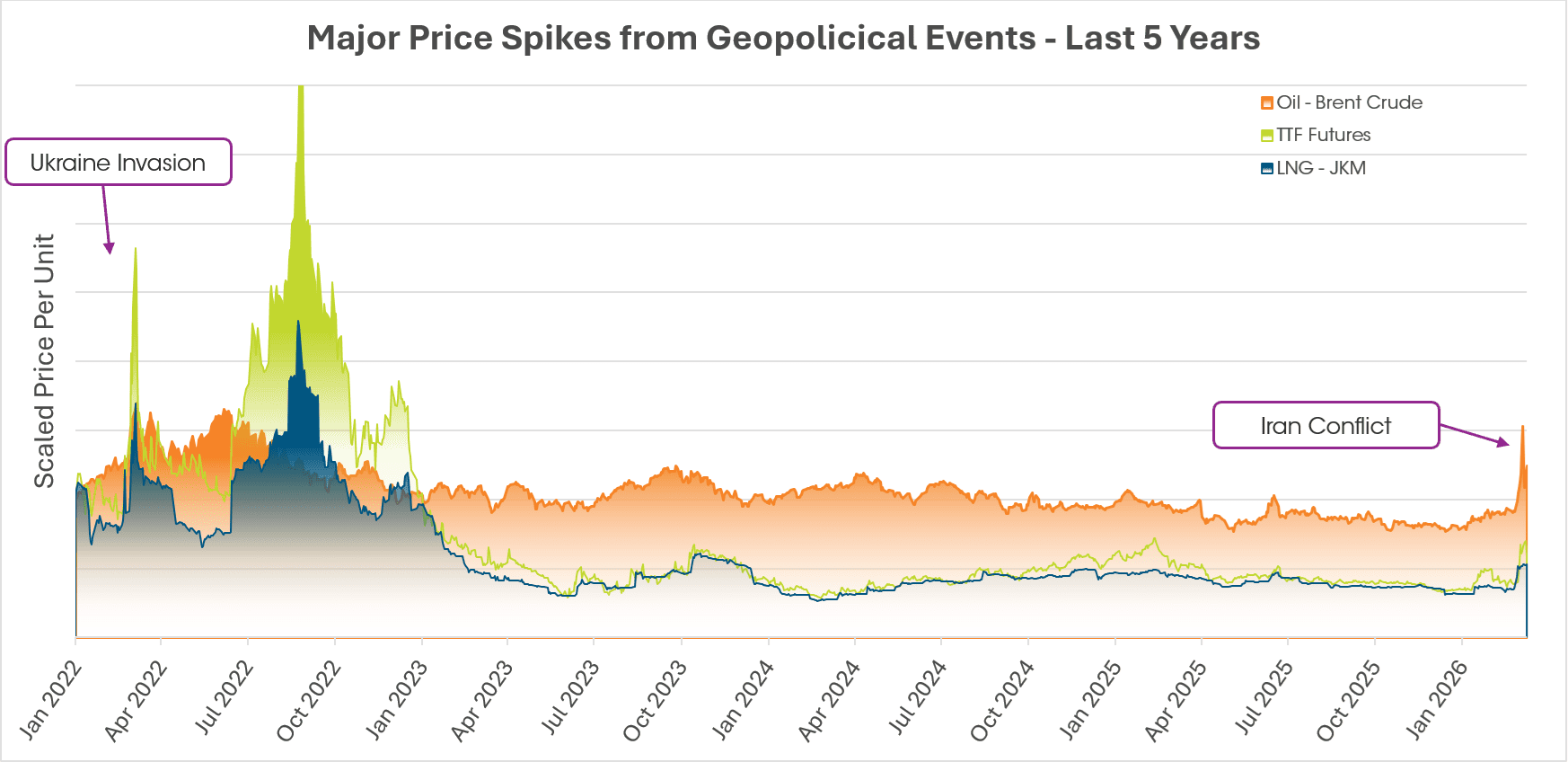
Energy supply chains are structurally exposed to geopolitical risk. Production, refining and shipping are geographically concentrated, while key transit routes such as the Strait of Hormuz carry a disproportionate share of global energy flows. When uncertainty emerges around these systems, markets react immediately – often well before any physical shortage occurs.
In this sense, volatility is not simply a reaction to disruption. It is the market’s mechanism for pricing uncertainty.
How Volatility Spreads Across Markets
Importantly, volatility rarely remains confined to oil.
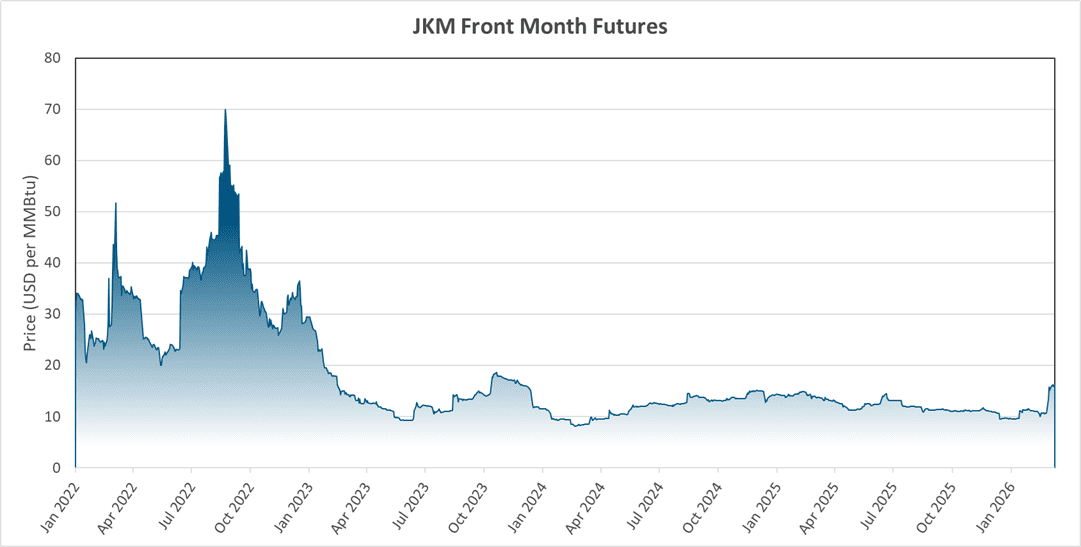
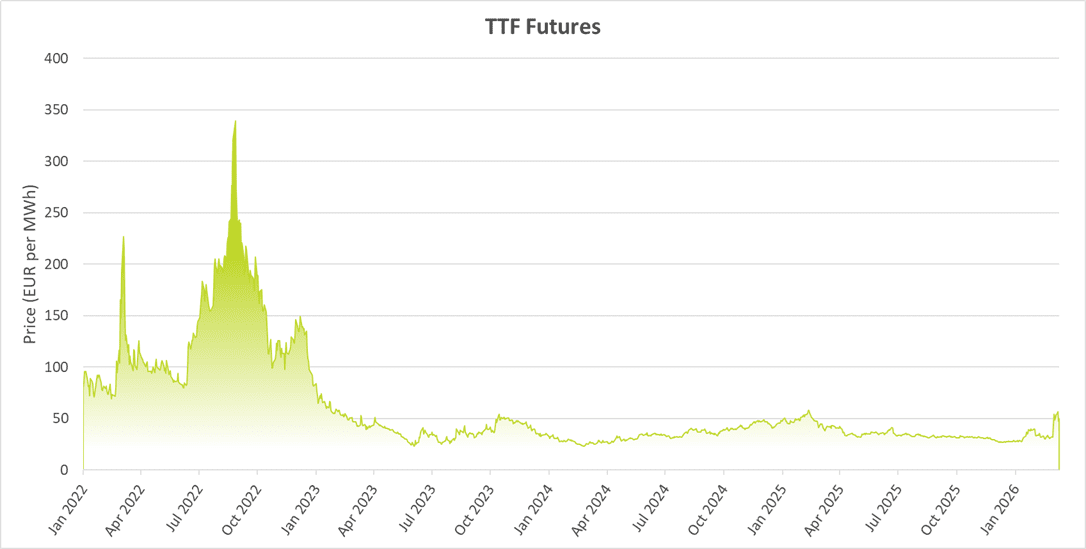
LNG markets, for example, are highly exposed to developments in the Gulf. Around one-fifth of global LNG trade transits the Strait of Hormuz, much of it originating from Qatar. Disruptions to shipping can therefore tighten global gas markets almost immediately.
Energy infrastructure is similarly vulnerable. Regional tensions periodically threaten major refineries and LNG export facilities, meaning even perceived risks can trigger rapid repricing across energy markets.
These effects extend beyond energy itself. The Gulf is a significant exporter of petrochemicals and industrial feedstocks, so disruptions can quickly ripple through manufacturing supply chains.
Agricultural markets are also indirectly exposed. Natural gas is a key input to ammonia production via the Haber–Bosch process, underpinning global fertiliser supply. As a result, tighter gas markets can translate into higher fertiliser costs and, ultimately, upward pressure on global food prices.
For market participants, the implication is clear: energy volatility is systemic. It propagates across interconnected commodity, industrial and agricultural systems.
Managing Volatility Rather Than Reacting to It
If volatility is structural, then managing it becomes a core capability rather than a reactive exercise.
Geopolitical shocks highlight a fundamental truth about energy markets: volatility is inevitable, but exposure to it is not.
Effective risk management enables organisations to quantify portfolio exposure to price shocks, stress-test positions under a range of geopolitical scenarios, and evaluate hedging strategies across futures, options and structured products. It also highlights the value of flexibility and optionality in uncertain market conditions.
During periods of stress, the organisations that perform best are rarely those that predict every geopolitical event. They are those that have established the analytical capability to understand their exposure in advance – and have the systems and processes in place to manage it when volatility arrives.
This is where advanced analytics platforms such as Lacima Analytics can play an important role. By enabling detailed portfolio analysis, scenario modelling and valuation of complex instruments, they support more informed decision-making in highly uncertain environments.
In energy markets, the defining question is not whether volatility will occur, but whether participants are prepared when it does.
Perception, Reality and the Pricing of Risk
A key feature of energy market volatility is that it is often driven by perceived risk rather than realised disruption.
Traders and risk managers price potential supply shocks into futures and derivatives markets well before any physical shortage occurs. This anticipatory behaviour is reflected in observable market dynamics, such as the USD$14 per barrel geopolitical risk premium Goldman Sachs analysts estimated was embedded in oil prices as-at 3 March.
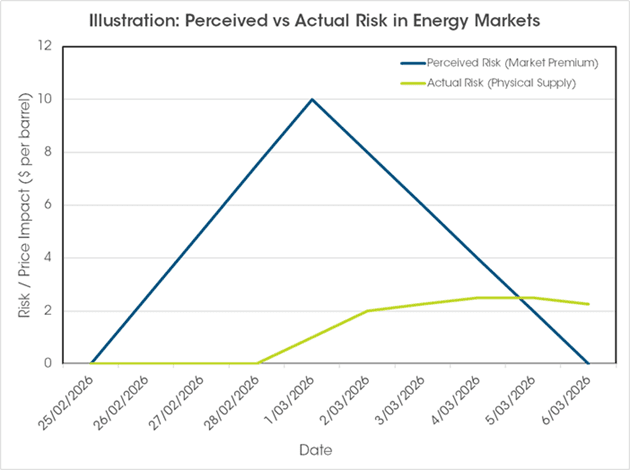
As a result, prices can move sharply even in the absence of immediate supply constraints. Markets are not only reacting to events – they are continuously pricing the probability and potential impact of future events.
This distinction between perceived and actual risk is critical. It underscores the importance of analytical tools that can separate fundamental drivers from market sentiment, quantify exposure under different scenarios, and support proactive risk management strategies.
The Evolving Nature of Geopolitical Risk
As the global energy system evolves, so too does the nature of geopolitical risk.
Traditional fossil fuels such as oil and gas remain highly exposed due to the concentration of production, refining and transportation infrastructure. Disruptions at key chokepoints can have immediate and far-reaching impacts on global markets.
Renewable energy introduces a different dynamic. Solar, wind and hydro generation are typically more distributed across networks, reducing exposure to single points of geopolitical failure. This structural shift can enhance resilience at the system level.
However, renewables are not immune to risk. Supply chains for critical minerals such as lithium, cobalt and nickel – along with solar PV and battery manufacturing – remain geographically concentrated. Disruptions in these areas can introduce new forms of volatility, particularly in technology costs and project economics.
For energy traders and risk managers, this means that volatility is not diminishing – it is evolving. Traditional fuel price hedging must now be complemented by a broader understanding of supply chain dependencies, asset correlations and infrastructure risk.
In this environment, advanced analytics and scenario modelling capabilities are becoming increasingly important. The ability to understand how different risks interact across complex portfolios is now central to effective energy risk management.
That’s where tools such as Lacima Analytics, which is asset class-agnostic, can add significant value for organisations navigating these evolving risks. By enabling a consolidated view across diverse portfolios, spanning traditional and renewable physical energy assets, as well as associated financial contracts, Lacima Analytics provides a single, integrated perspective on risk across the entire organisation.
Conclusion
Geopolitical shocks will continue to shape energy markets. What changes over time is not the presence of volatility, but how it manifests and how it is managed.
From oil price spikes and LNG supply risks to industrial and agricultural impacts, volatility reflects a system that is both interconnected and inherently uncertain.
For market participants, the challenge is clear: move beyond reacting to volatility and towards actively managing it.
Because in energy markets, the most important question is not what is happening today – it is how prepared you are for what the market expects might happen tomorrow.


